
TVS
TVS
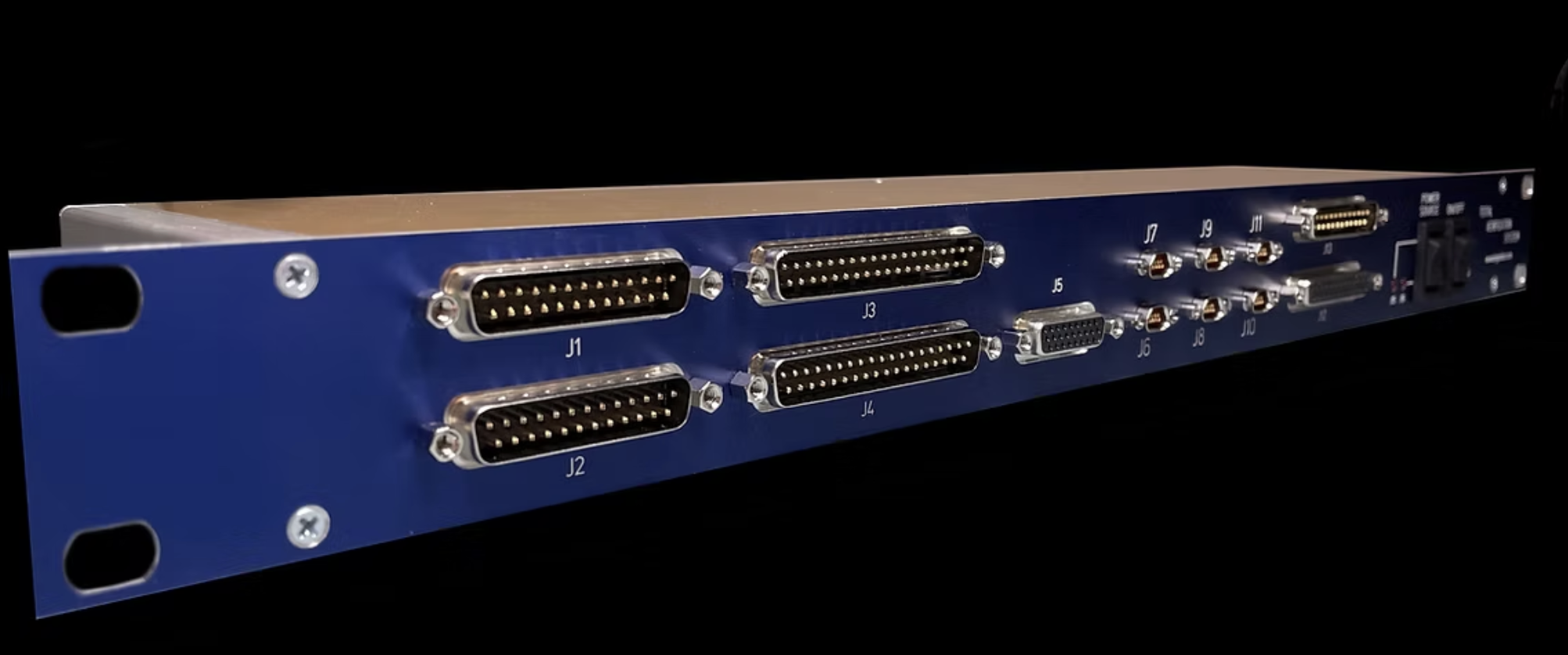
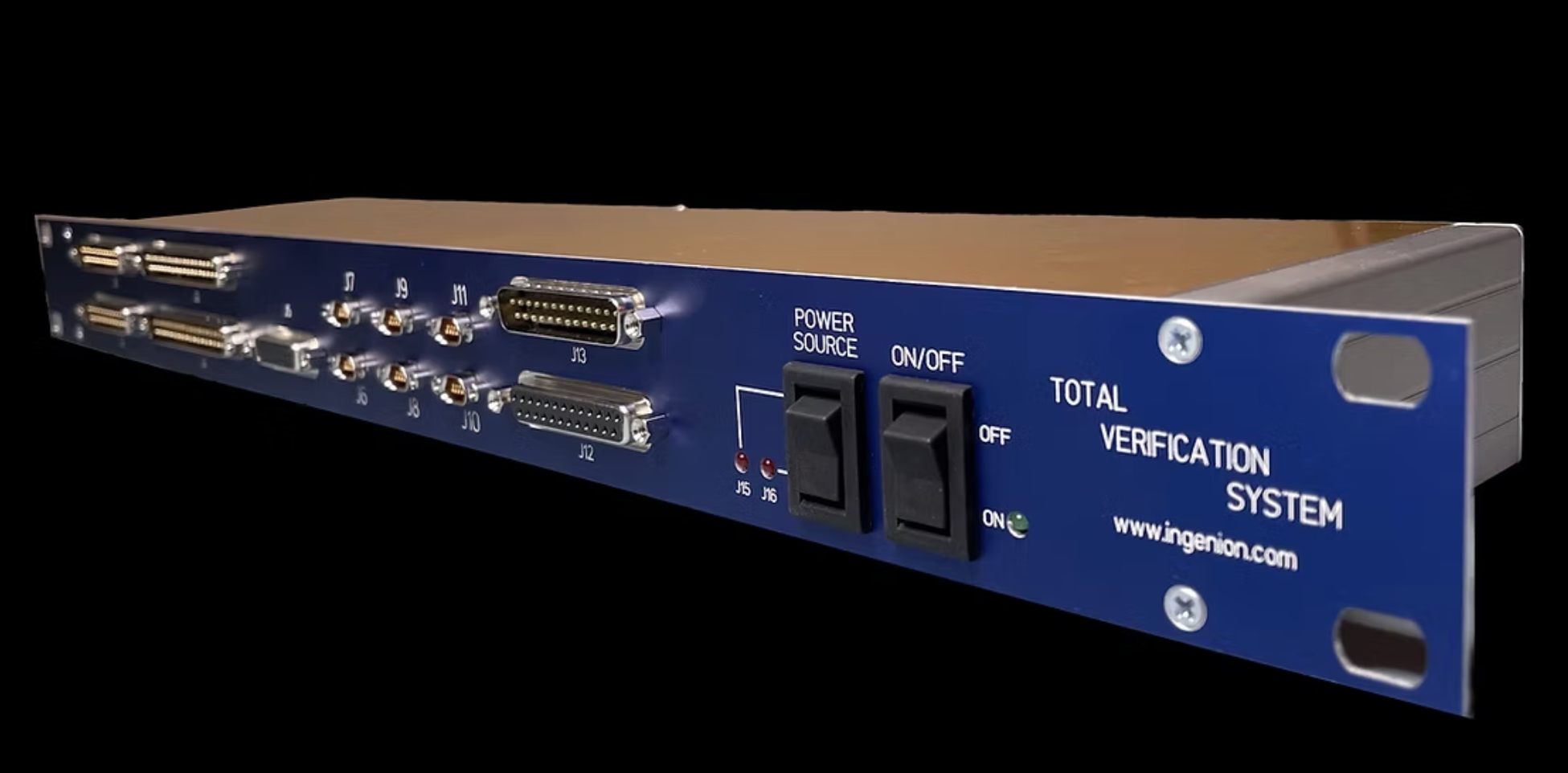
Total Verification System
The Total Verification System (TVS) is Ingenion's integrated, requirements-driven verification framework for managing the complete hardware verification lifecycle. Developed to support FPGA, ASIC, SoC, and embedded digital system development, TVS provides a disciplined methodology that links system requirements, design specifications, verification planning, test execution, coverage metrics, and verification results into a single traceable verification process.
At the core of TVS is comprehensive requirements traceability. Every stakeholder, system, and derived hardware requirement is uniquely identified and maintained through implementation and verification, creating a continuous audit trail from initial customer requirements to final verification evidence. Bidirectional traceability enables engineers to navigate both upstream to the originating requirement and downstream to the corresponding implementation, verification plans, test procedures, and verification results, ensuring that every requirement is verified, documented, and approved prior to design release. This traceability extends across all levels of design hierarchy, including IP blocks, subsystems, SoCs, complete systems, software integration, and post-silicon validation.
TVS incorporates the complete verification planning process, including hardware verification plans, verification standards, acceptance criteria, review procedures, problem reporting, configuration management, and process assurance records. Verification progress is measured using objective metrics rather than test execution alone, allowing engineering teams to monitor requirement completion, verification status, coverage closure, and sign-off readiness throughout development. Functional metrics, hardware verification metrics, software testing results, and silicon validation data can all be incorporated into a unified view of project maturity.
The framework supports modern verification methodologies, including directed verification, constrained-random stimulus generation, assertion-based verification, formal property verification, automated scoreboarding, functional coverage, and code coverage analysis. These techniques enable systematic verification of both expected functionality and corner-case behavior while providing quantitative evidence of verification completeness. By combining advanced verification techniques with rigorous requirements engineering, TVS helps engineering organizations reduce verification risk, improve design quality, and produce the objective verification evidence required for mission-critical, safety-regulated, and high-reliability electronic systems.